Current (and past) elections

Preview

Austrian Legislative Election 2024: A Historic Shift

On September 29, 2024, Austrians cast their votes in a landmark legislative election to elect the 28th National Council. The election witnessed the far-right Freedom Party of Austria (FPÖ) clinch 28.8% of the vote, marking a historic first as they emerged as the largest party in the National Council. This unprecedented victory underscores a significant shift in Austria's political landscape, as it is the first time a far-right party has led since World War II.

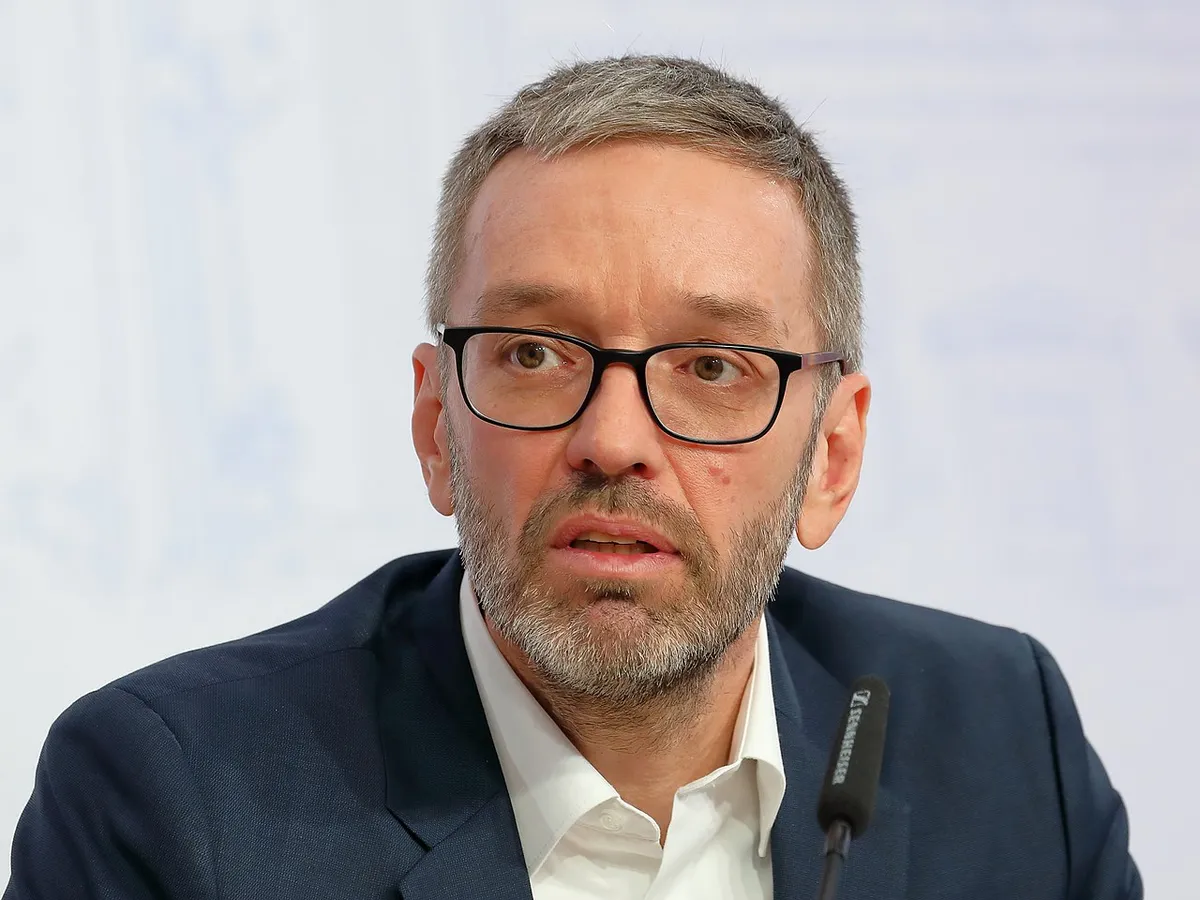
Herbert Kickl, leader of the FPÖ. Source

The ruling Austrian People's Party (ÖVP) suffered a significant setback, losing 20 seats, while their coalition partners, the Greens, lost 10 seats. The Social Democratic Party (SPÖ) also faced a disappointing outcome, securing just 21.1% of the vote, their worst result in history, though they gained one seat. NEOS, another contender, improved slightly from the previous election, increasing their seats from 15 to 18.

The election was marked by a high voter turnout and a series of contentious issues, including rising inflation, housing affordability, and immigration. The FPÖ capitalized on public discontent, promising stricter immigration laws and a crackdown on political Islam. Their campaign rhetoric drew comparisons to historical far-right movements, raising concerns among many Austrians.

Polling stations were open from 07:00 to 17:00, with a record number of absentee ballots issued. The electoral process was streamlined following recent reforms, leading to most votes being counted on election day. With the FPÖ's victory, Austria now faces the prospect of a coalition government led by Herbert Kickl, a scenario that remains fraught with political and societal implications.
Select the correct answer

Some background information

Drag the words into the correct panels.

Meet the candidates

Herbert Kickl

Herbert Kickl
Herbert Kickl (born 19 October 1968) is an Austrian politician who has been the leader of the Freedom Party of Austria (FPÖ) since June 2021. He previously served as Minister for the Interior from 2017 to 2019 and has been described as a far-right politician. Kickl is known for his hardline stance on immigration and political Islam, advocating for a 'Fortress Austria' and remigration policies.
Kickl's political agenda is rooted in strong anti-immigration policies, advocating for stricter immigration laws and a crackdown on political Islam. He has often been compared to historical far-right movements due to his rhetoric.

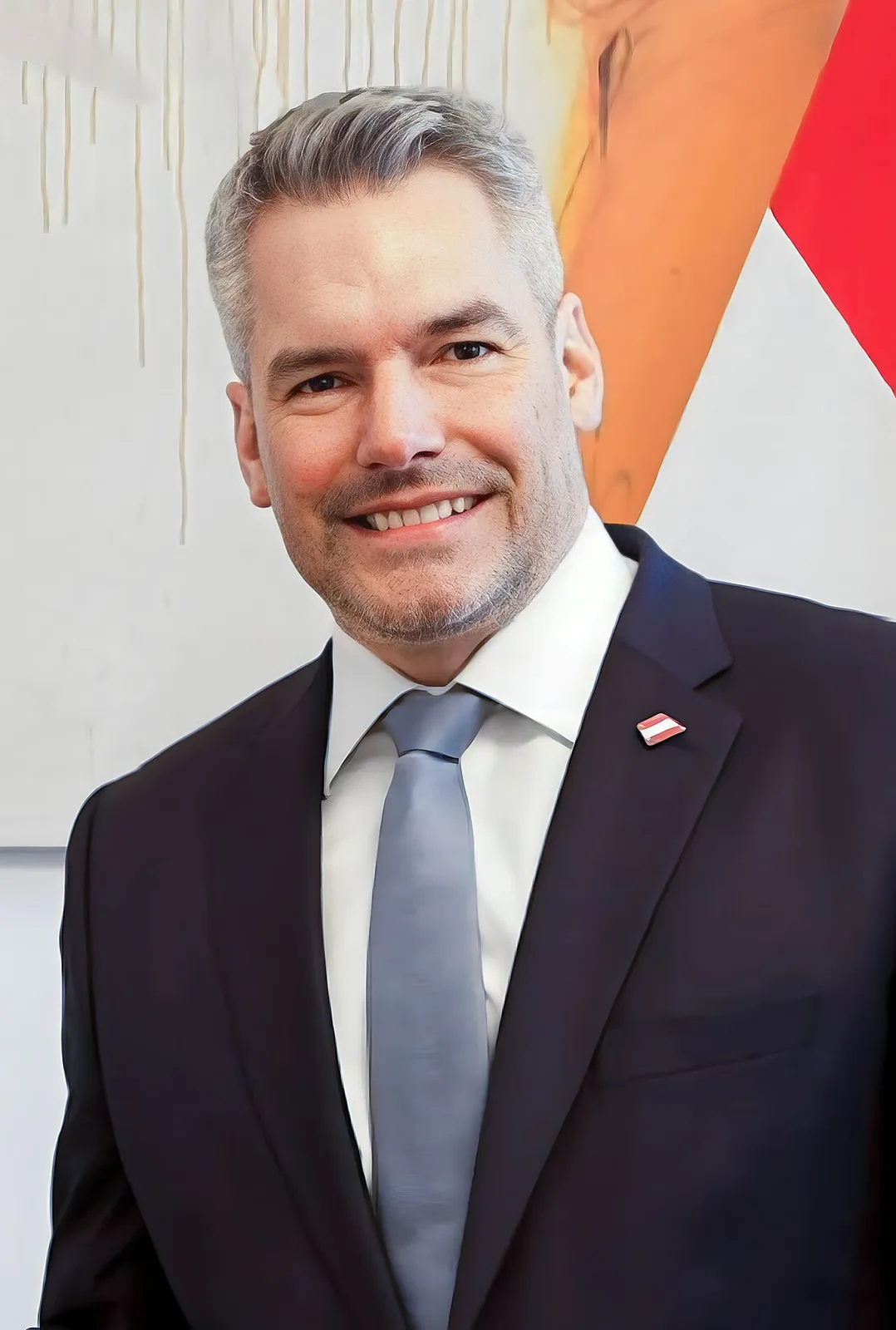
Karl Nehammer

Karl Nehammer
Karl Nehammer (born 18 October 1972) is an Austrian politician who has been the 29th Chancellor of Austria since 2021. A member of the Austrian People's Party (ÖVP), he previously served as Minister of the Interior from 2020 to 2021. Nehammer is known for his strong stance on security and migration issues, and his leadership during the COVID-19 pandemic.
Nehammer's political agenda focuses on maintaining strict security measures, managing migration effectively, and supporting strong international relations. His tenure has emphasized Austria's firm stance on security and economic stability.

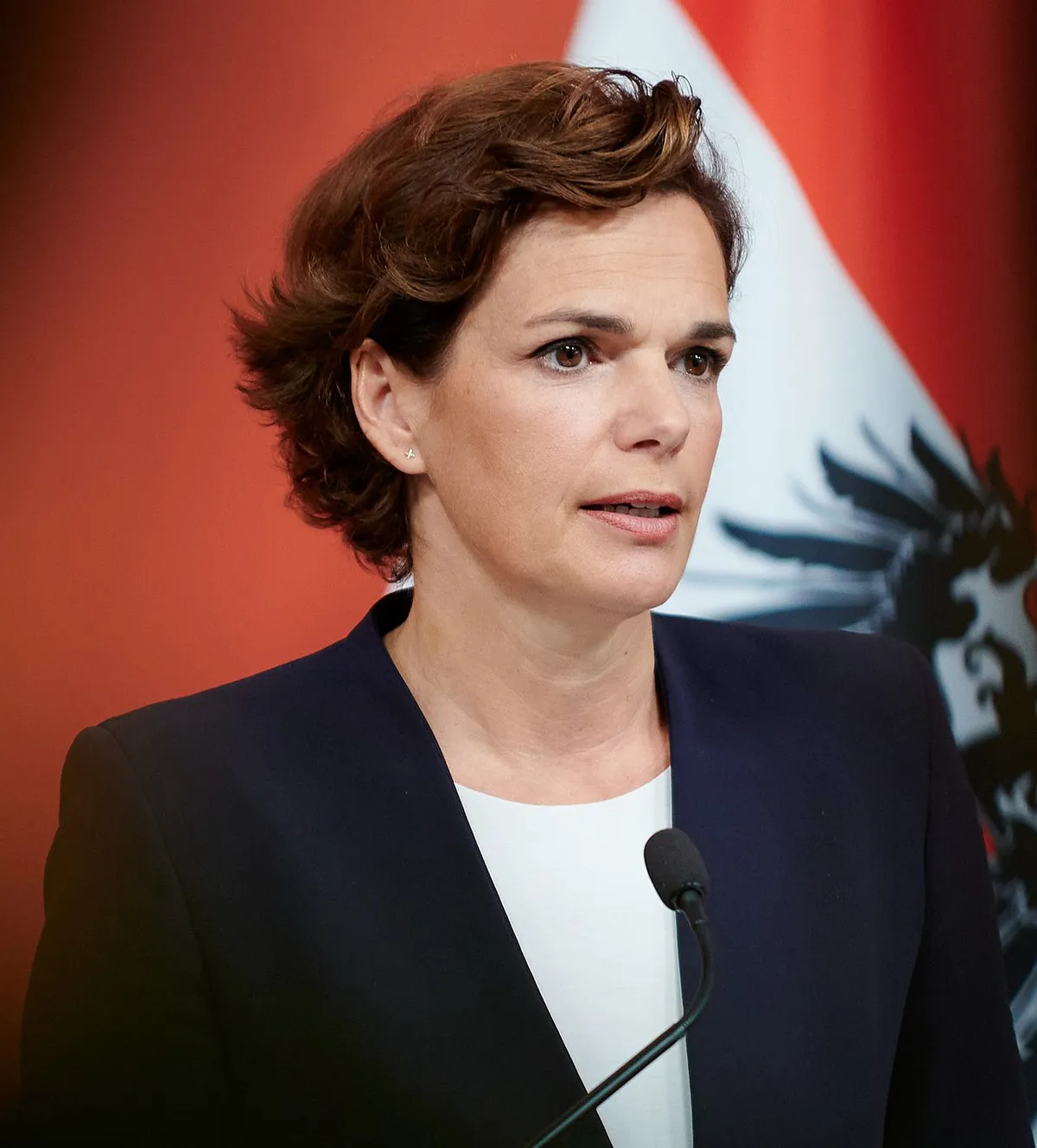
Pamela Rendi-Wagner

Pamela Rendi-Wagner
Pamela Rendi-Wagner (born 7 May 1971) is an Austrian physician and politician who is the current director of the European Centre for Disease Prevention and Control. She previously served as chairwoman of the Social Democratic Party (SPÖ) and was the first woman to lead the SPÖ. Rendi-Wagner has a strong background in public health and has been an advocate for social justice and equal opportunities.
Rendi-Wagner's political agenda emphasizes modern, progressive policies focusing on health, social justice, and equal opportunities. She aims to provide a sharp contrast to conservative policies, advocating for a strong welfare state and public health system.

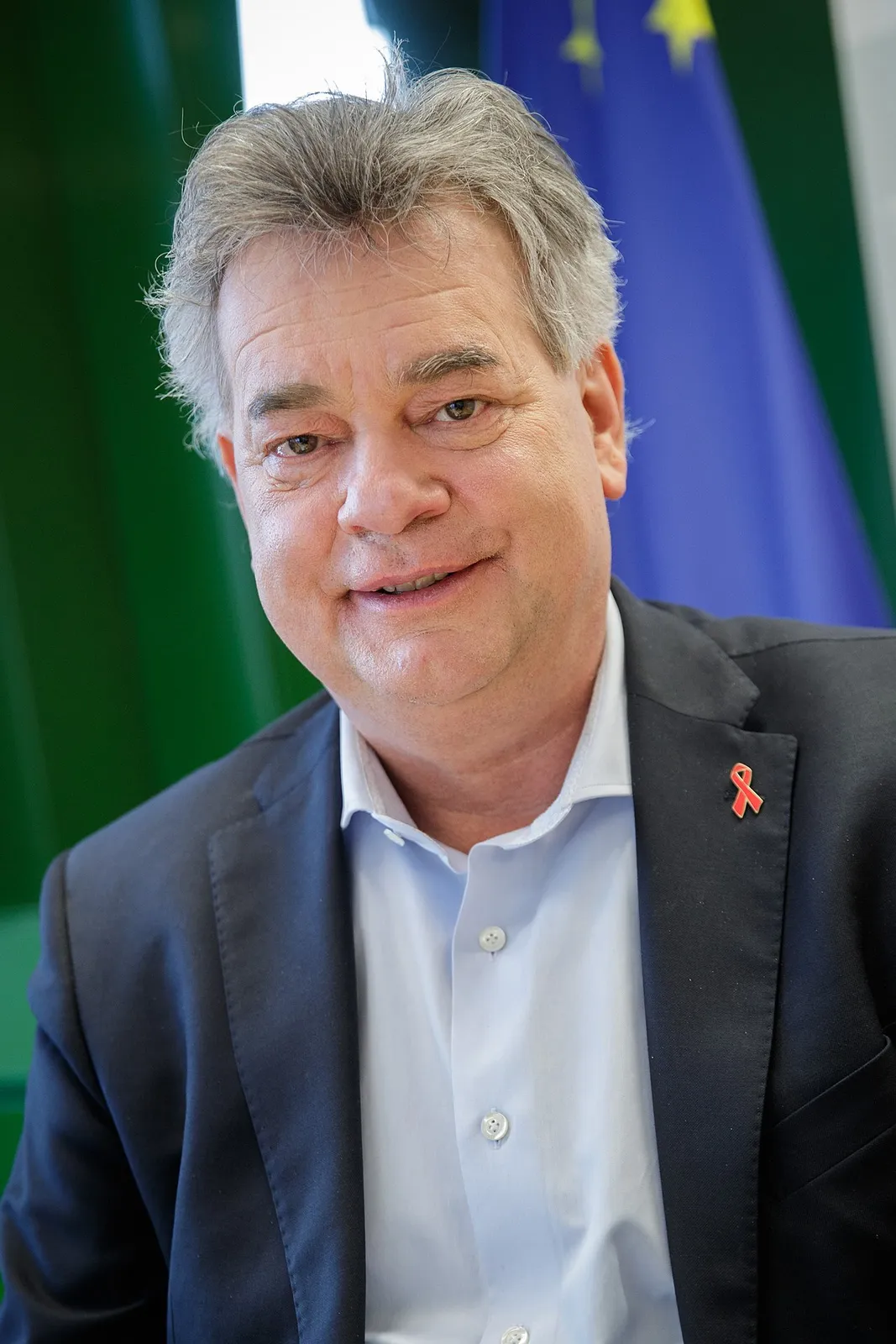
Werner Kogler

Werner Kogler
Werner Kogler (born 20 November 1961) is an Austrian politician of the Green Party who has been serving as Vice-Chancellor of Austria and Minister for Arts, Culture, the Civil Service, and Sport since 2020. Kogler is known for his dedication to environmental issues and his role in coalition negotiations that brought the Greens into government.
Kogler's political agenda is centered around environmental sustainability, aiming to make Austria carbon neutral by 2030. He supports investments in renewable energy, public transport, and cultural initiatives, while advocating for social equality and civil rights.