Instruction verbs2 min read
Use an Image as the Basis for a Task: Working with Instruction Verbs
Use an image as the foundation for tasks that incorporate specific instruction verbs, helping educators craft questions with sample answers based on visual content.
Create it with to teach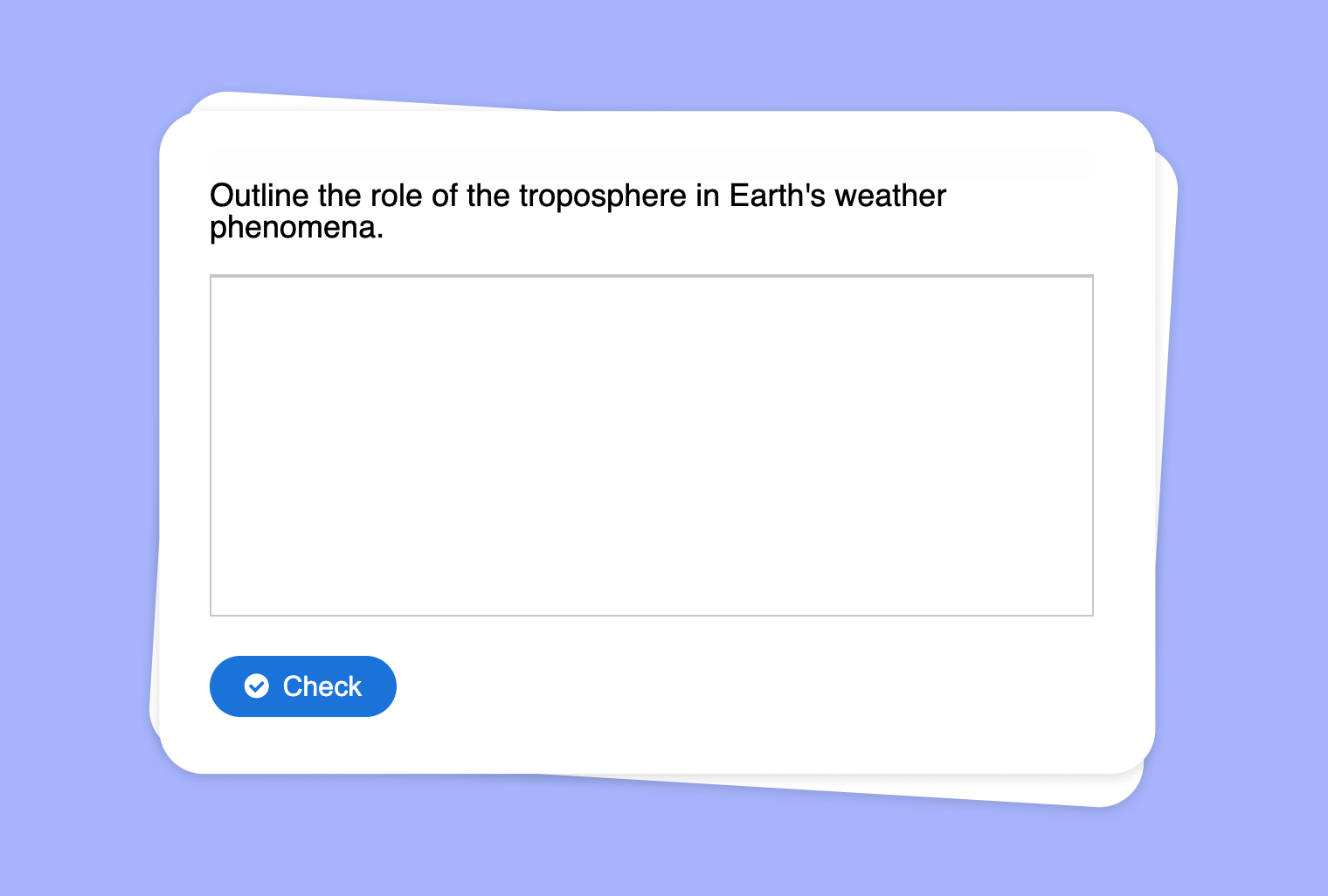
Are you looking for creative ways to transform the visual elements of a photograph or illustration into interactive learning tasks? With to-teach.ai, you can easily convert an image into a set of targeted activities using instruction verbs. These tasks not only sharpen critical thinking but also encourage students to observe details, question perspectives, and formulate structured responses.
Why Use Images Coupled with Instruction Verbs?
Enhanced Observation Skills
By choosing relevant instruction verbs like 'describe,' 'evaluate,' or 'compare,' students learn to examine visual details more thoroughly.Supports Various Learning Styles
Visual learners grasp complex concepts more easily when text-based tasks are tied to imagery.Practice Critical Thinking
Instruction verbs aligned with real-world visuals encourage analytical, reflective, and creative thought.Broad Applicability
Any image—historic photograph, modern art, or scientific illustration—can serve as the backbone of lesson content for multiple subjects.Incorporate Higher Bloom’s Taxonomy Levels
Verbs such as 'analyze,' 'create,' or 'evaluate' prompt higher-order thinking, pushing students beyond simple recall.
Getting Started
To begin, simply upload or insert your chosen image into the to-teach.ai platform. Then select your preferred instruction verbs—like 'explain,' 'classify,' or 'predict'—and set the complexity level. Our AI will generate focused questions along with sample responses, supporting the development of student skills and fostering class engagement.
Frequently Asked Questions (FAQ)
How do I turn an image into tasks using instruction verbs?
Upload your image to to-teach.ai and choose specific instruction verbs (e.g., 'interpret,' 'compare'). The AI will generate questions and provide sample solutions.Which subjects can benefit from image-based instruction verb tasks?
These tasks are versatile enough for language arts, social studies, science, and arts. Any subject that benefits from visual examination can use this approach.Can I align tasks with different learning outcomes or standards?
Absolutely. Adjust the verbs and difficulty to fit grade-level competencies, curriculum goals, or specific educational standards.Is there a recommended way to give feedback on student responses?
You can upload model answers or use the platform’s AI-driven suggestions to guide students’ improvements in clarity, depth, and accuracy.How can I encourage deeper student engagement with these tasks?
Encourage learners to ask follow-up questions or explore further resources. Incorporating group discussions around the image can also enrich the learning experience.
Instruction verbs
From your own text, a PDF, a YouTube video, a website or an image.
Create it with to teachMore guides
Working with Instruction Verbs
Transform any YouTube video into a practice exercise centered around instruction verbs, enabling enriched comprehension and targeted skill development.
Instruction verbsWorking with Instruction Verbs
Create questions with sample solutions using the instruction verbs of your choice, enabling an interactive way to study and practice key educational commands.
Instruction verbsWorking with Instruction Verbs from Your Audio File
Effortlessly transform any audio file into a set of interactive questions focusing on instruction verbs, complete with sample solutions for deeper language mastery.
Instruction verbs