Art
Browse through our extensive collection of teaching materials for the subject Art.
Formats
Create interactive content and much more optimized for the subject Art.
New worksheets
Recently published worksheets for Art.
Artificial Intelligence vs. Human Intelligence
This worksheet aims to provide a comprehensive comparison between artificial and human intelligence, specifically focusing on the mechanisms of creativity and memory. It encourages students to critically evaluate the strengths and limitations of AI while reflecting on the unique qualities of human thought and emotion.
Content and methods: The worksheet employs a variety of pedagogical approaches, including comparative tables for self-assessment, creative writing prompts, and reflective questions based on personal experience. It integrates technical texts and a video lesson to explain AI learning models (supervised, unsupervised, and reinforcement learning) and human memory types (episodic, emotional, semantic, and sensory). The material concludes with a case study on AI in a professional field and a group discussion to synthesize the ethical and social implications of human-AI collaboration.
Competencies:
Analytical thinking: Comparing cognitive processes between machines and humans
Media literacy: Understanding different machine learning methods and AI data sources
Reading and audiovisual comprehension: Extracting information from specialized texts and video content
Creative and reflective writing: Producing original content and analyzing one's own creative influences
Ethical evaluation: Discussing the impact of AI on society, trust, and professional fields
Target group: Grade 9 and above
AI as the creator of creative content—opportunity or risk?
Learners critically examine the impact of generative artificial intelligence on the creative industries and develop their own well-founded position on the subject.
Content and methods:
The material provides an introduction to how generative creative content works. In a discussion, students take on different roles (e.g., politicians, tech industry, cultural workers), analyze subject-specific arguments, and compile them in a table. An optional practical task allows them to experiment with AI tools themselves.
Skills:
Critical examination of technological innovations and their social consequences
Change of perspective and ability to argue within the framework of a debate
Media literacy through reflection on copyright, authenticity, and the dangers of manipulation
Use of digital tools for creative content creation
Target group:
Grade 10 and above
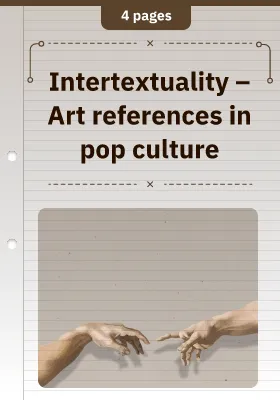
Intertextuality – Art references in pop culture
Students understand the principle of intertextuality in pop culture using the example of pop music videos and analyze the messages conveyed by them.
Contents and methods:
The worksheet uses a selected music video or song as a concrete reference point to examine the deliberate use of famous works of art (intertextuality). The method involves a step-by-step analysis of the work of art, the development of its art-historical background and a comparative interpretation of the original with the modern music video.
Skills:
Analysis and interpretation
Cultural and historical knowledge
Transfer and comparison
Target group and level:
Grade 9 and above
Note: This worksheet does not include the video of the song in question; it must be found independently, e.g. on YouTube.
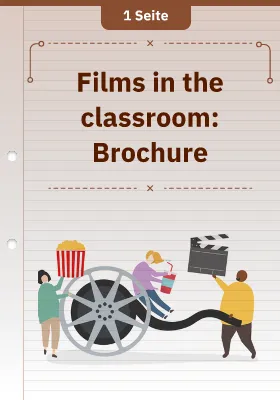
Films in the classroom: Brochure
With the help of the worksheet, learners engage with a film in a structured way in order to develop a deeper understanding and to reflect on and transfer what they have seen.
Contents and methods:
The worksheet is structured like a brochure and asks questions about the content and further questions about the film. The worksheet ends with a personal evaluation of the film.
Skills:
Concentrated extraction of information from a visual medium
Analysis, reflection and transfer of film content
Target group and level:
Grade 7 and above
New content and sources
Published videos and images for Art.
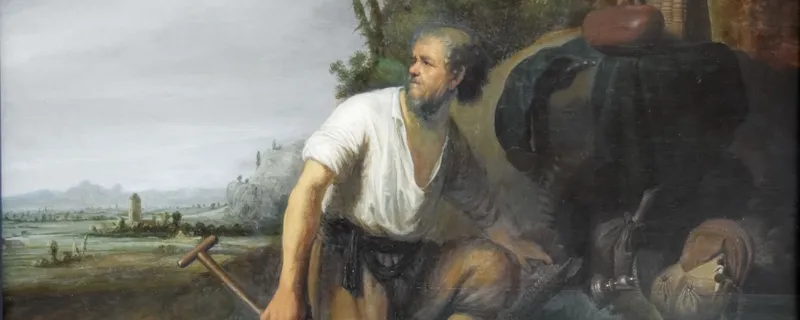
Gemälde „Gleichnis vom Schatz im Acker“, zugeschrieben Rembrandt oder Gerrit Dou (um 1630)
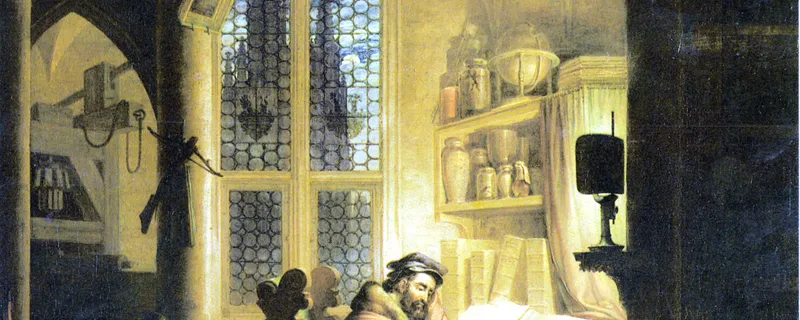
Gemälde „Faust im Studierzimmer“ von Georg Friedrich Kersting (1829)
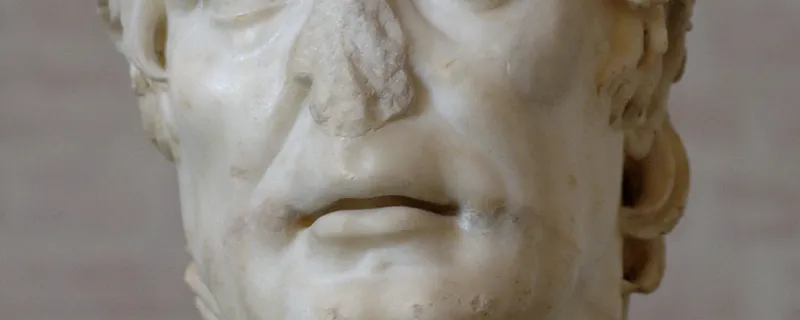
Marmorbüste des römischen Feldherrn und Diktators Sulla (Glyptothek München)