Letters and register - Formal, Semi-formal, Informal
Loading preview…
Choose the topic you want the letters to be about
How our AI templates work
Content gets adapted
Examples, texts and tasks match your focus.
Method & structure stay
The didactically reviewed structure of the template won't change.
Description
Objective:
The general objective of the worksheet is to understand and apply the different registers in letter writing to improve communication skills in formal, semi-formal, and informal contexts.
Content and Methods:
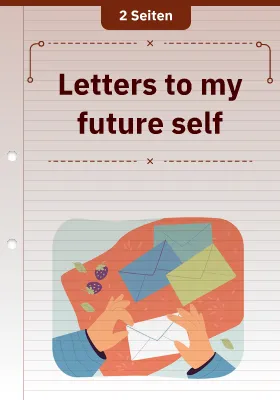
The worksheet addresses the various registers in letter writing, including formal, semi-formal, and informal language. It includes examples that illustrate the differences between these registers, as well as exercises for categorizing letter phrases and analyzing letters. Methodologically, both written exercises and practical applications are promoted.
Competencies:
- Improvement of written expression skills in various communication contexts
- Ability to adapt language style to the respective target audience
- Promotion of empathy and social skills through the exchange of personal experiences in letters
Target Audience and Level:
Grade 10 and above